The Third Station of the Via Dolorosa: A Moment of Human Frailty
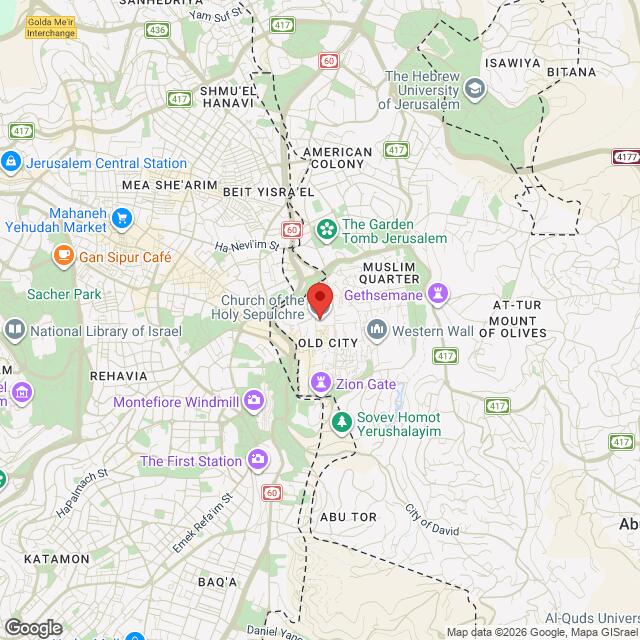
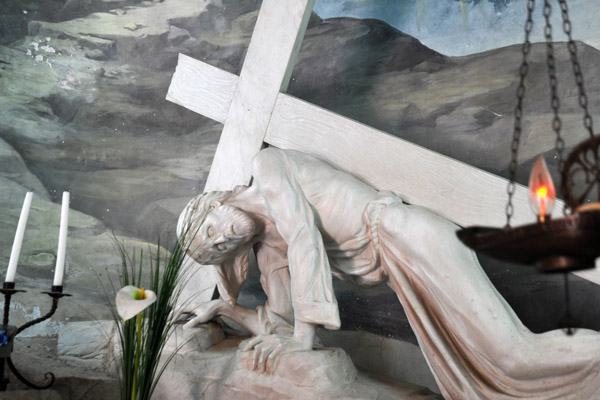
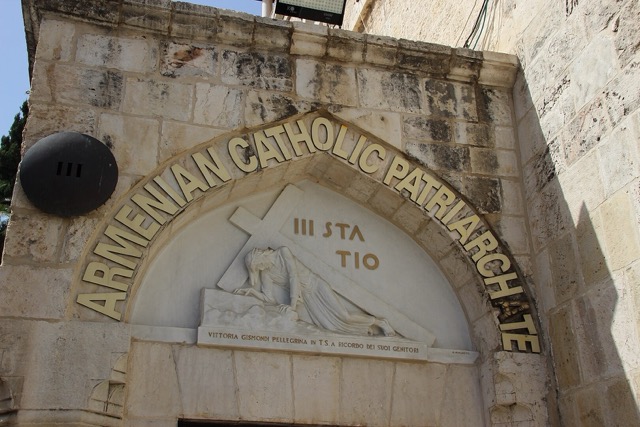
This intimate sanctuary located at a busy intersection in the Old City marks the traditional location where Jesus collapsed for the first time under the weight of the cross. As you navigate the crowded stones of the Via Dolorosa, the path intersects with El Wad Street, bringing you to a point where the noise of the souk seems to intensify. Here, you will encounter the entrance to the Armenian Catholic Patriarchate, distinguished by a striking high-relief sculpture above the doorway. Carved by Thaddeus Zielinsky, this artwork captures the agony of the moment, signaling to pilgrims that they have arrived at Station III in Jerusalem.
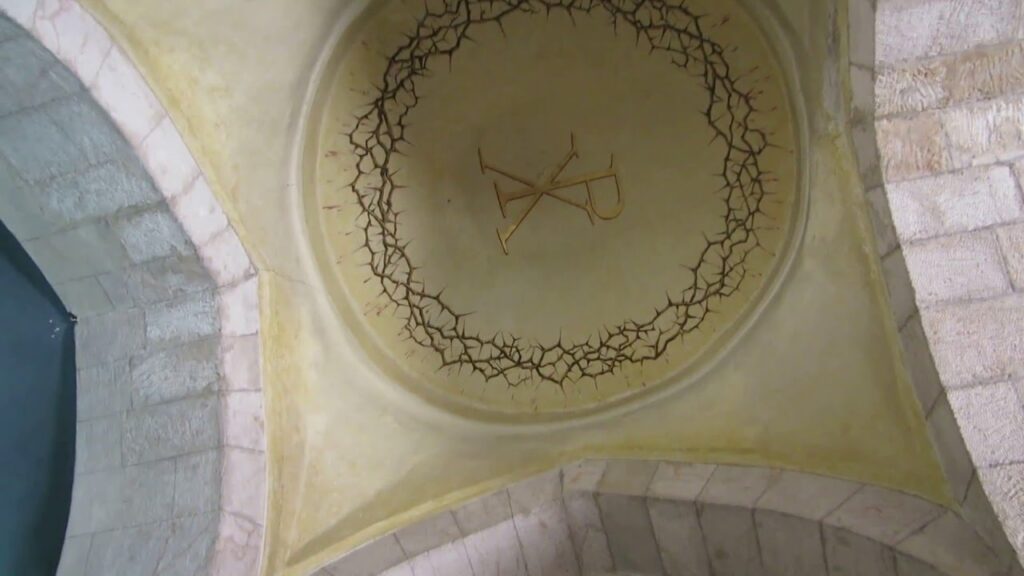
Stepping beyond the threshold reveals a space that bridges centuries of devotion. Although the property belongs to the Armenian Catholic Church, the chapel was significantly renovated by Polish soldiers and refugees during World War II. These exiles, stationed in the Holy Land, poured their resources and faith into restoring the sanctuary. The interior décor, including the altar and murals, serves as a testament to their resilience, linking their 20th-century national struggle to the suffering commemorated at the site of Jesus’s first fall.
Today, the chapel offers a solemn pause for those walking the Way of the Cross. While the bustling street outside never stops, the site invites you to contemplate the humanity of Christ and the physical toll of his journey. Whether you kneel in the small sanctuary or pray on the stones outside, a visit here connects you to the deep history of the Third Station of the Via Dolorosa, grounding the spiritual experience in a moment of shared human burden.