The Historic Lions’ Gate and St. Stephen’s Entry
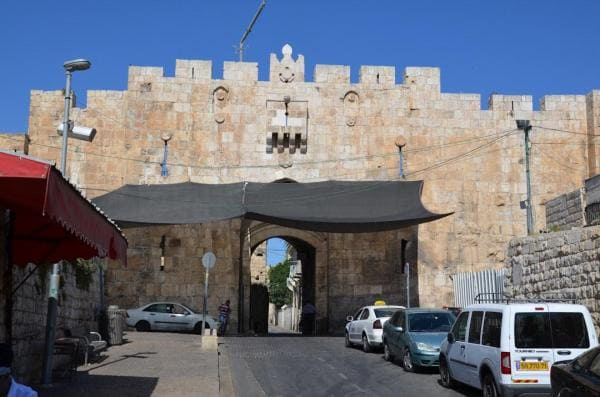
Lions’ Gate is a monumental 16th-century portal set within the eastern walls of Jerusalem’s Old City, serving as a primary connector between the Muslim Quarter and the Mount of Olives. As you approach the weathered limestone façade from the steep slopes of the Kidron Valley, your eyes are drawn to the four animal reliefs flanking the archway. These carved figures, incorporated into the masonry by Sultan Suleiman the Magnificent, gave the structure its most common name, although the beasts are historically identified as leopards representing the heraldry of the Mamluk Sultan Baibars.
For many Christian pilgrims, this threshold is revered as St. Stephen’s Gate in Jerusalem, marking the traditional site where the first Christian martyr was stoned for his faith. Passing beneath the stone archway connects you to a lineage of devotion that stretches back millennia. This gate marks the beginning of the traditional Palm Sunday route, inviting you to follow the path Jesus took when entering the city in triumph.
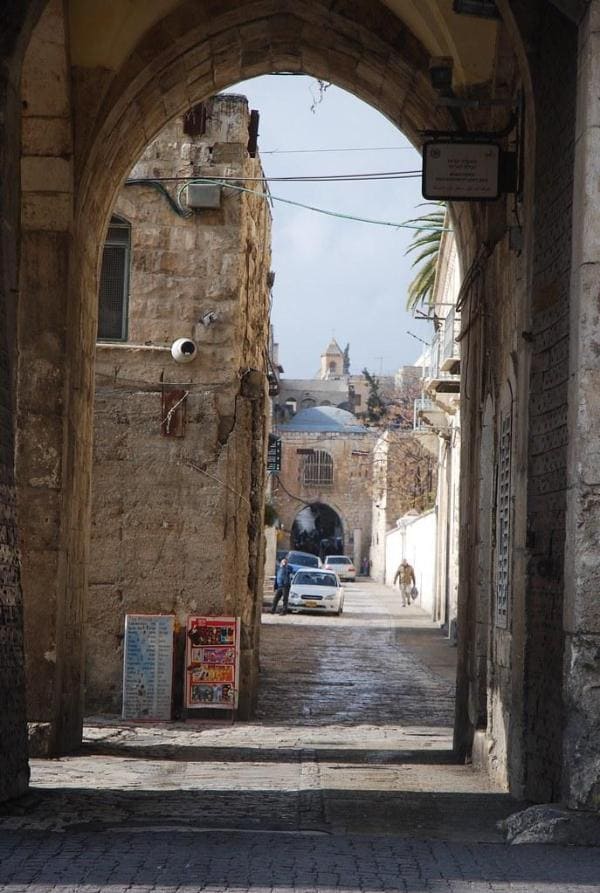
Once you cross the threshold, you are immediately immersed in the rich tapestry of the Old City. The gate is situated just steps from the Pools of Bethesda and the Crusader-era Church of St. Anne, renowned for its acoustics. This location effectively functions as the entrance to the Via Dolorosa, guiding believers toward the First Station of the Cross at the Antonia Fortress. The history of Lions’ Gate also encompasses modern memory, as it was the breach point for Israeli forces in 1967. Today, walking here offers a profound sense of continuity, linking ancient scripture with the living pulse of the Holy City.