
The Hurva Synagogue: A Symbol of Resilience in the Jewish Quarter
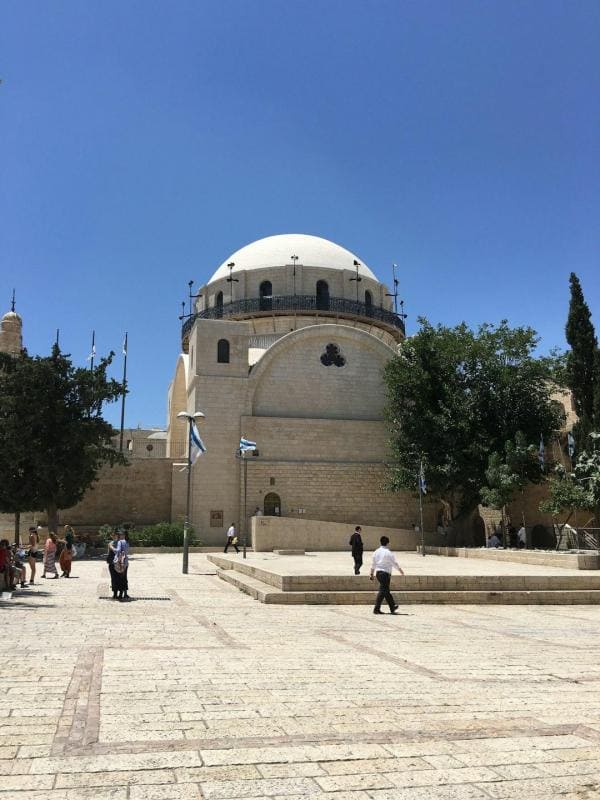
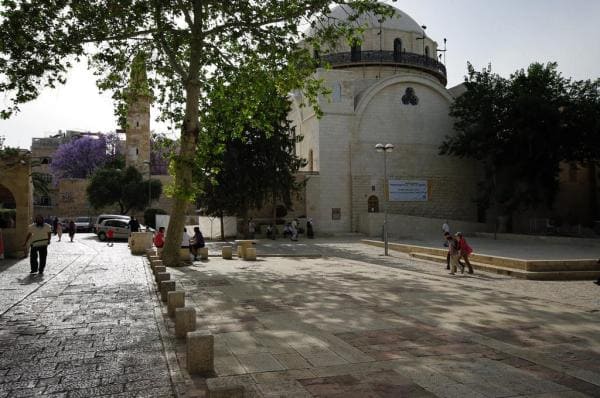
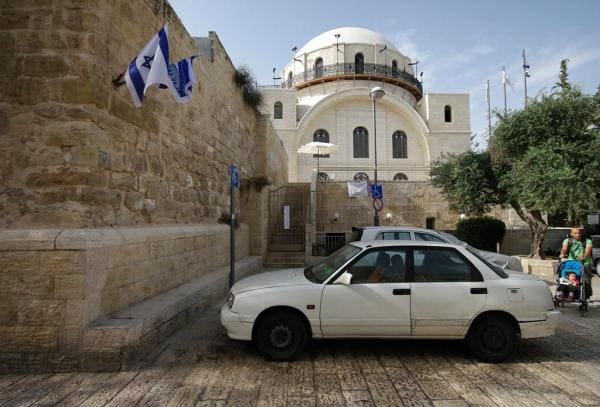
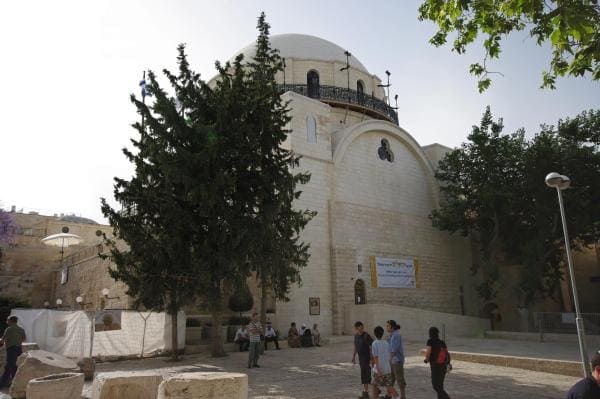
The Hurva Synagogue stands as a monumental center of prayer and study in the heart of Jerusalem’s Old City, symbolizing the persistence of Jewish life in the capital. As you walk through the stone-paved plaza, the immense white dome of the building acts as a compass, dominating the skyline and guiding you toward the center of the neighborhood. The name “Hurva,” meaning “The Ruin,” hints at the turbulent narrative woven into its foundations. Originally established in the early 1700s by followers of Rabbi Yehuda HeHasid, the site lay desolate for decades, was rebuilt in the mid-19th century, and was destroyed again during the 1948 War of Independence.
Entering the sanctuary today, you step into a meticulous recreation of its 19th-century Neo-Byzantine grandeur. Your eyes are immediately drawn upward to the soaring ceiling and the intricate ironwork of the central bimah. For decades, a single solitary arch was the only reminder of what stood here, but now the hall echoes with the sounds of daily study and worship. It remains one of the most significant historic synagogues in Jerusalem, offering a tangible link between the Ottoman-era community and the modern revitalization of the area.
A visit here is not complete without ascending to the upper veranda that encircles the dome. From this vantage point, you can gaze out over the textured rooftops and narrow alleyways that define the architecture of the Old City. Whether you come to admire the sheer scale of the restoration or to connect spiritually during a service, standing here offers a powerful testament to continuity and faith.
