

The Cave of Machpelah in Hebron
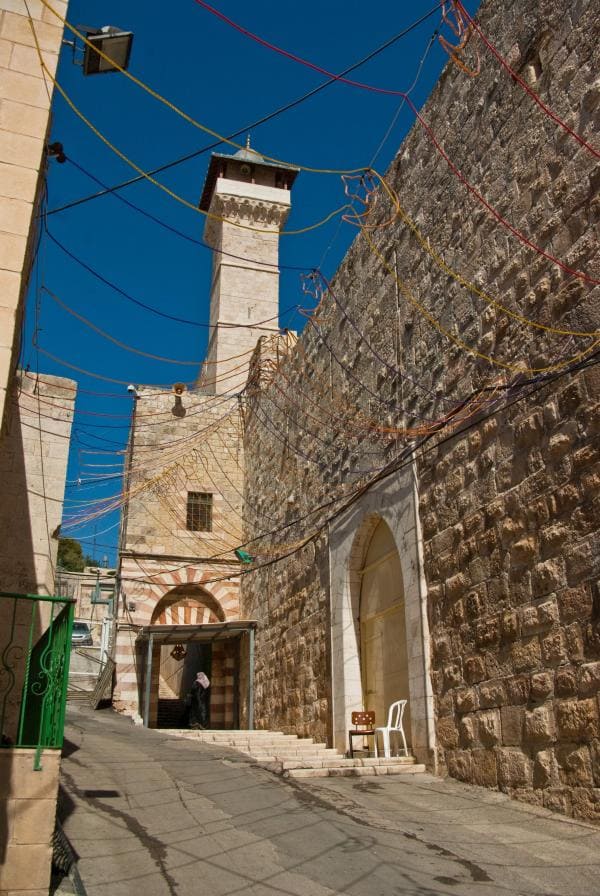
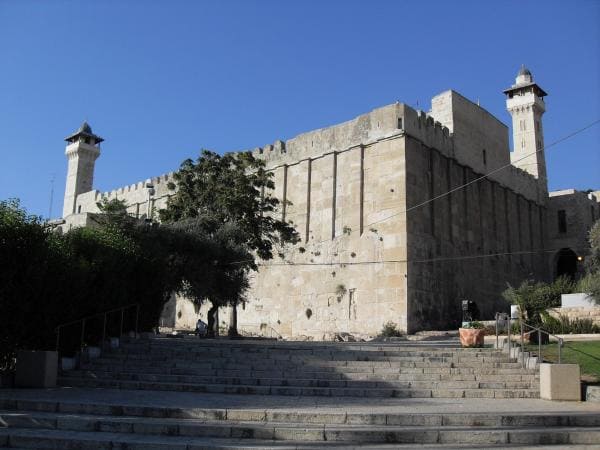
This monumental Herodian structure encloses the ancient burial site of the biblical Patriarchs and Matriarchs, making it the second holiest site in the Jewish world. As you approach the massive stone walls, the resemblance to Jerusalem’s Western Wall is unmistakable, signaling the architectural hand of Herod the Great. Stepping inside, the air feels heavy with thousands of years of prayer and devotion. This site, known in Hebrew as the Cave of Machpelah, serves as a physical bridge to the spiritual lineage of the Jewish people. The interior spaces echo with the soft murmur of worshippers reciting Psalms, creating an atmosphere that feels both intense and timeless as you stand at the roots of monotheism.
Moving through the stone halls, you will encounter the imposing cenotaphs that mark the deep caverns beneath the floor. This is the Tomb of Abraham and Sarah, resting alongside Isaac, Rebecca, Jacob, and Leah. The significance here is profound; according to tradition, this land was the very first parcel in Canaan legally purchased by Abraham, establishing an eternal connection to the land. Viewing the elaborate, velvet-covered markers allows for a moment of deep personal reflection on the founders of the faith. Many traditions even suggest that Adam and Eve are buried here, marking it as the spiritual gateway to the Garden of Eden.
The complex reflects the layered and often contested history of Hebron itself. While the Jewish areas function as active synagogues filled with study and song, the site is also home to the Ibrahimi Mosque in Hebron, reflecting the shared reverence for Abraham across faiths. Depending on the religious calendar and rotation schedules, access may shift between the distinctive halls, offering a unique glimpse into how different traditions honor the same ancestors. A visit here is not just a spiritual pilgrimage but a vivid encounter with the living, breathing history that continues to shape the region today.
