The Spiritual Heart of the Armenian Quarter in Jerusalem
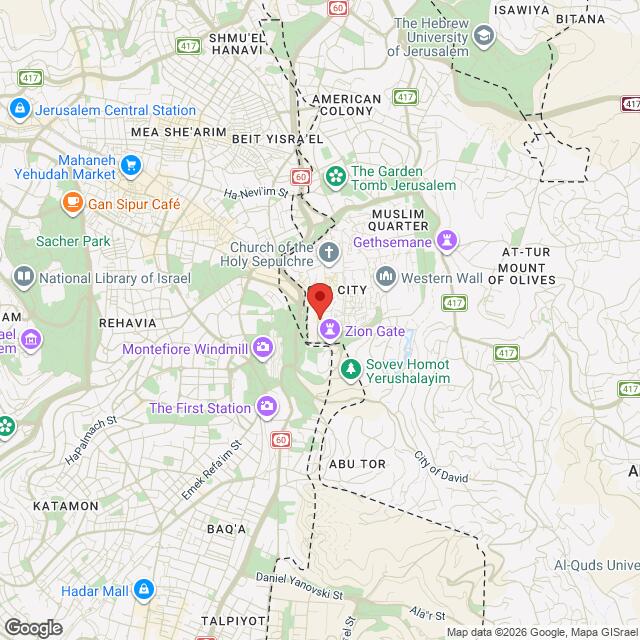
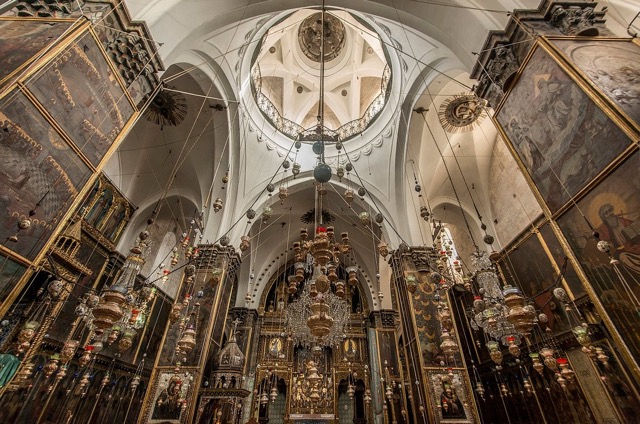
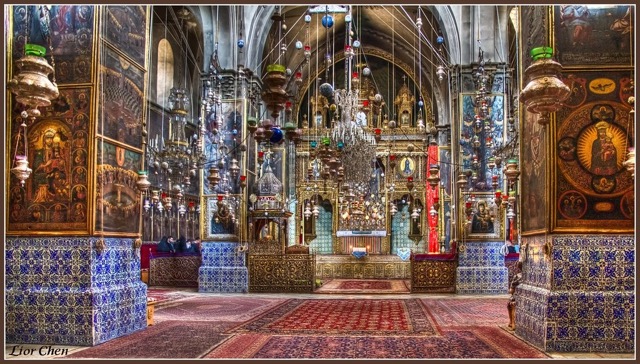
This 12th-century cathedral serves as the principal sanctuary for the Armenian Patriarchate and stands as one of the most artistically distinct houses of worship in the Holy Land. As you navigate the quiet, stone-paved alleys of the Armenian Quarter, you will arrive at a modest iron gate that guards a hidden jewel. Stepping inside the Cathedral of St. James feels like entering a different era, where the air is thick with incense and history. Unlike other Old City religious sites, there are no pews here; instead, the floor is covered in layer upon layer of oriental carpets. Hundreds of oil lamps hang from the vaulted ceiling, casting a warm, flickering glow over the blue and white Kütahya ceramic tiles that line the walls.
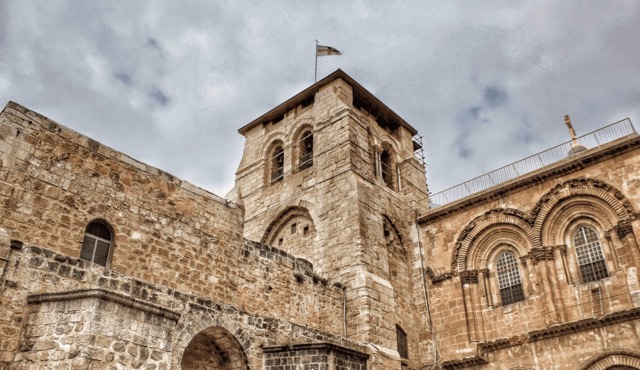
The structure you see today largely dates back to the Crusader period, though the Armenian presence here stretches back much further. It is dedicated to two saints: James the Great, one of the first apostles, and James the Less, the first bishop of Jerusalem. The architecture reflects a unique blend of styles, characterized by its soaring dome and heavy masonry that has withstood centuries of upheaval. This cathedral is one of the few historic Armenian churches that survived the tumultuous eras of Mamluk and Ottoman rule largely intact, preserving a continuous line of worship.
Your visit is best timed for the afternoon liturgy, when the rhythmic chanting of the seminarians fills the cavernous space. You might hear the striking of the wooden nakus—a board struck with a mallet—calling the faithful to prayer, a tradition predating church bells under Islamic rule. This is not merely a museum; it remains the living center of the local community. Witnessing a service here offers a profound connection to the enduring spirit of one of Jerusalem’s oldest Christian populations.