
The Architectural Grandeur of the Bukharan Quarter
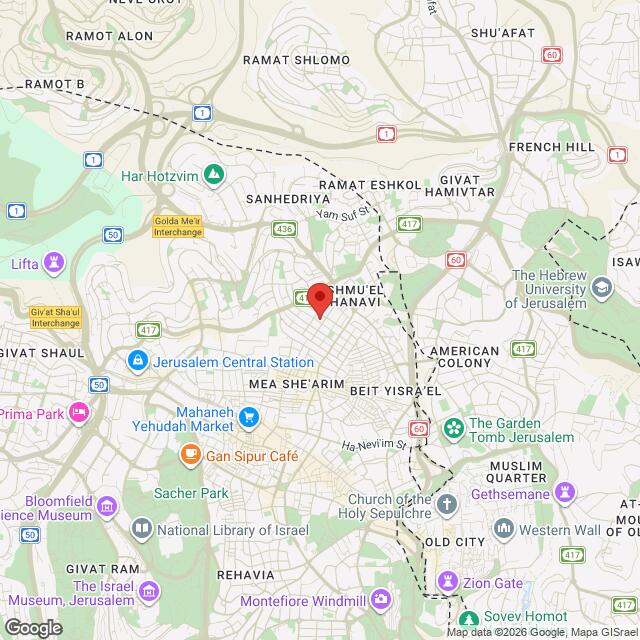
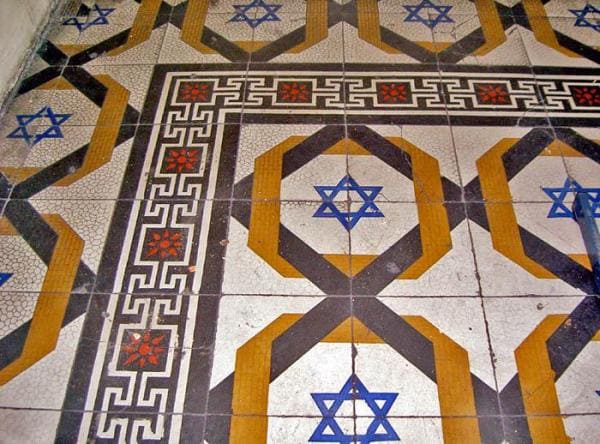
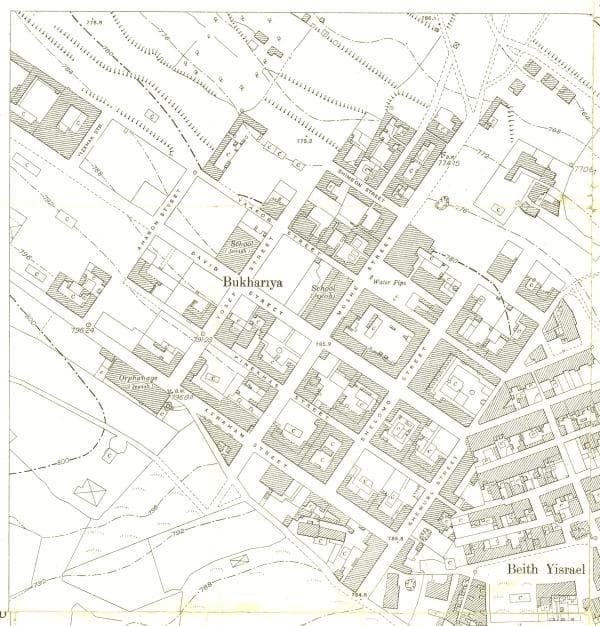
The Bukharan Quarter is a historic residential district in Jerusalem established in the late 19th century by wealthy Jewish immigrants from Central Asia. As you wander north from the bustling city center, the cramped alleys give way to an area defined by fading opulence and impressive stone masonry. Established in 1891, this neighborhood was once considered the most luxurious in the city. Walking these streets offers a glimpse into a time when grand estates dominated the skyline, showcasing the distinctive architecture of the Bukharan Quarter, which blends European neo-classical styles with Eastern artistic flourishes.
Your exploration reveals the rich tapestry of Bukharan Jewish heritage woven into the streetscape. Originally designed with wide avenues for the wealthy, the quarter was a hub of both spiritual and material abundance. You can still identify active synagogues, such as the glorious Baba Tama, where the specific liturgical traditions of Central Asian Jewry are maintained. The sound of prayer often spills out onto the street, inviting you to witness a community that deeply values its lineage, making it unique among Jerusalem’s historic neighborhoods.
The area underwent a dramatic shift following the Russian Revolution, which cut off the flow of wealth from Central Asia. What was once an enclave of expansive mansions was eventually subdivided to accommodate a growing population. Today, the quarter is seamlessly integrated into Jerusalem’s Ultra-Orthodox tapestry. While the demographics have shifted, the majestic shells of the past remain. As you stroll past the historic courtyards, you witness a living community where Torah study thrives amidst the remnants of 19th-century grandeur.