


Exploring the Meaning of Sukkot: The Feast of Tabernacles
Sukkot is a week-long biblical festival that commemorates the forty years the Israelites spent wandering in the desert, living in temporary shelters under divine protection. Also known as the Festival of Ingathering, it marks the completion of the agricultural year and serves as a time of rejoicing in the abundance of the harvest. Occurring just five days after the solemnity of Yom Kippur, this observance is one of the three major pilgrimage festivals, shifting the spiritual focus from introspection to an outward expression of joy and gratitude.
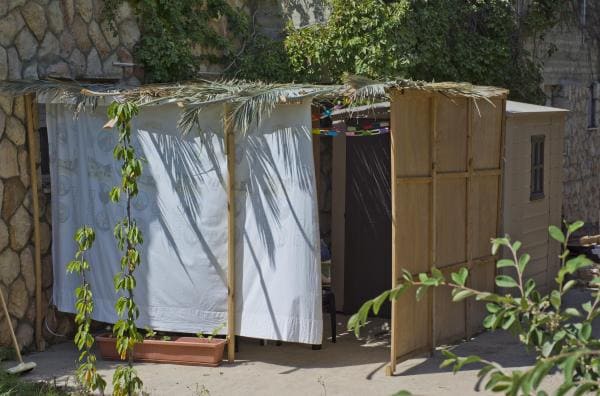
The most visible of all Sukkot traditions is the construction of the sukkah, a temporary hut topped with natural foliage known as sechach, which must provide more shade than sunlight. Families take their meals inside these fragile structures for seven days, stepping away from the permanence of their homes to embrace the elements. Another central ritual involves the taking of the Four Species—the etrog (citron), lulav (palm frond), hadassim (myrtle), and aravot (willow). These are bound together and waved in six directions during prayer, symbolizing the unity of the Jewish people and God’s omnipresence throughout the world.
Often referred to in English as the Feast of Tabernacles, this period deeply emphasizes the values of hospitality and inclusion. It is customary to invite guests, both real and symbolic, into the sukkah to share food, song, and conversation. The profound meaning of Sukkot extends beyond historical reenactment; it is a spiritual exercise in trusting that true security comes not from stone walls, but from faith and community. By dwelling in temporary structures, observers acknowledge the fleeting nature of material possessions while celebrating the enduring strength of their heritage.