
The History and Meaning of Palm Sunday
Palm Sunday commemorates the triumphal entry of Jesus Christ into Jerusalem, a pivotal event recorded in the Gospels that marks the beginning of Holy Week. Occurring on the Sunday before Easter, this holy day sets the spiritual tone for the commemoration of the Passion, death, and resurrection. The history of the observance dates back to at least the fourth century in the Holy Land, where early believers would retrace the path from the Mount of Olives into the city. It serves as a poignant reminder of the fleeting nature of earthly praise, contrasting the crowds’ joyful shouts of “Hosanna” with the solemn events that unfold in the days leading to Good Friday.
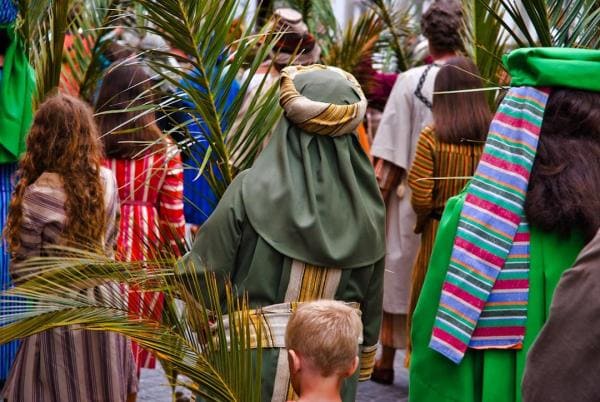
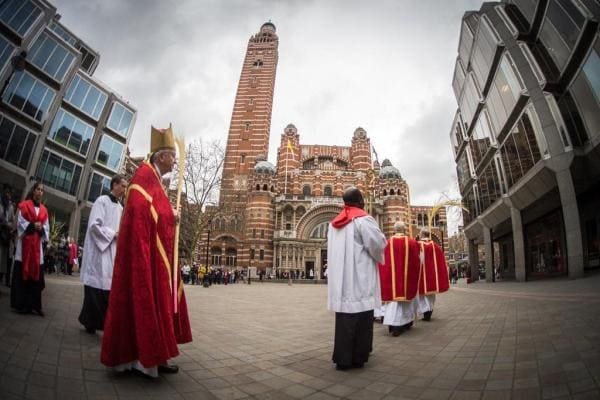
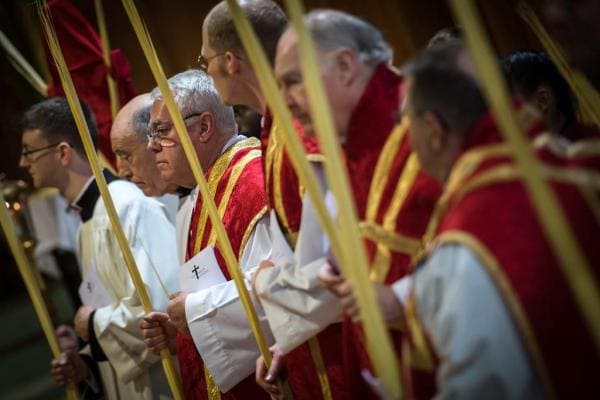
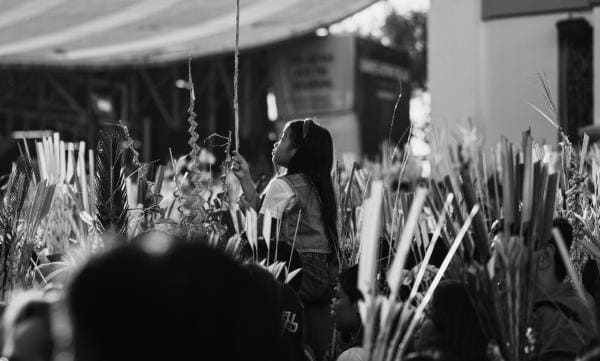
The defining custom of this observance involves the blessing and distribution of palm branches, representing the foliage the crowds scattered in front of Jesus as a sign of victory and peace. In many churches, the liturgy commences with a procession, allowing the congregation to symbolically join the ancient crowd and reenact the entry into Jerusalem while singing hymns of praise. In regions where palms are not native, faithful communities have developed unique traditions using branches from local trees, such as olive, willow, or yew. The service typically transitions into a dramatic reading of the Passion narrative, shifting the atmosphere from the joyous procession to a solemn contemplation of the suffering to come.
Christians across the globe, spanning Catholic, Orthodox, and Protestant denominations, observe this day as a threshold leading into the most sacred time of the liturgical year. The observance is both communal and deeply personal, serving as a time for believers to reflect on the complexity of faith and the nature of a kingship defined by sacrifice. The palm fronds received during the service often hold lasting significance; they are frequently kept in homes as sacramentals or woven into small crosses. By tradition, these old palms are eventually burned to create the ashes for the following year’s Ash Wednesday, connecting the seasons in a continuous cycle of repentance, redemption, and renewal.