

Reflecting on the Meaning of Maundy Thursday
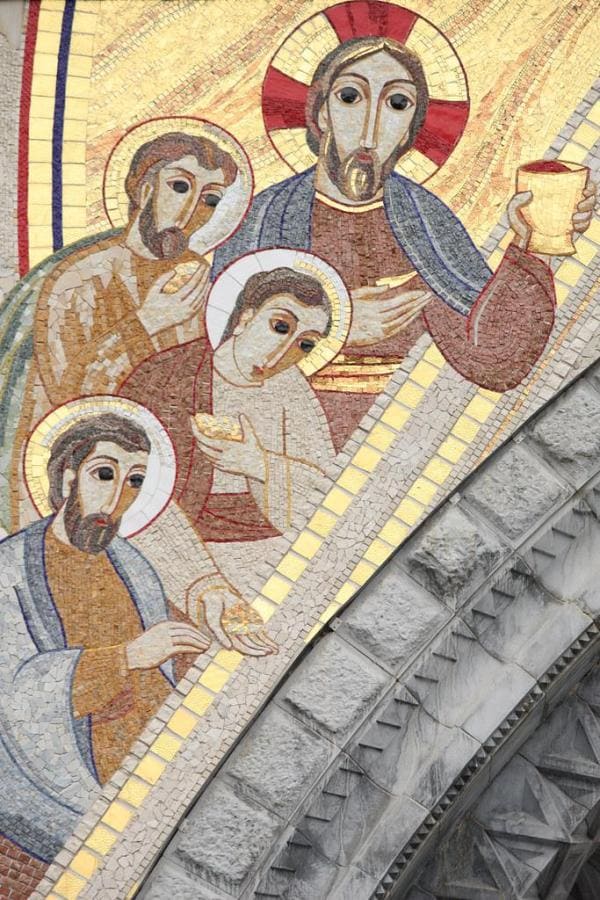
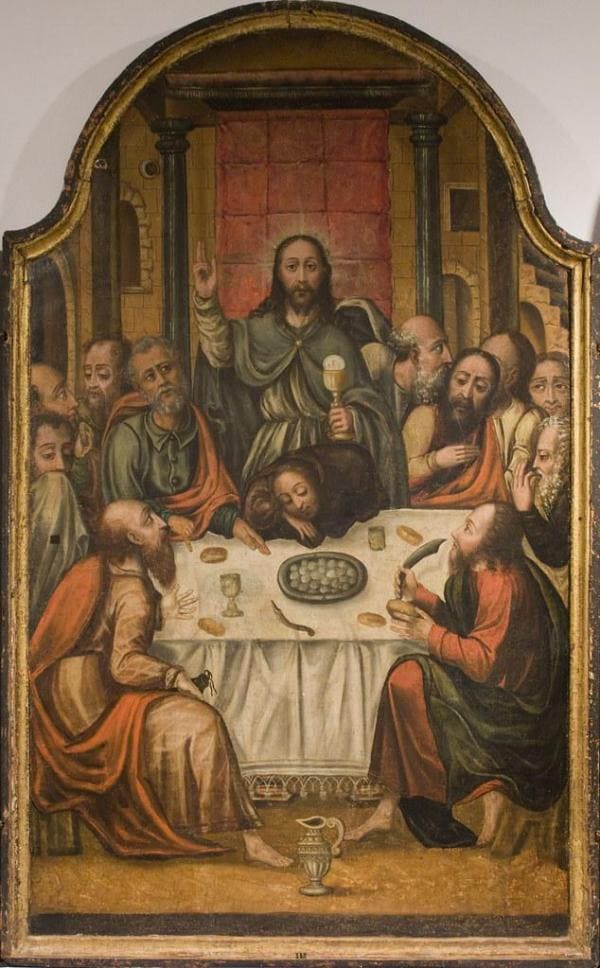
Maundy Thursday is the solemn Christian holy day that commemorates the Last Supper of Jesus Christ with the Apostles, explicitly marking the institution of the Holy Eucharist and the sacrament of the priesthood. Occurring on the Thursday immediately preceding Easter Sunday, it serves as the spiritual gateway into the Easter Triduum, the three-day period recalling the passion, death, and resurrection of Jesus. This observance has deep historical roots, dating back to the early church’s desire to honor the specific events that occurred in Jerusalem just prior to the crucifixion. The theological meaning of Maundy Thursday is derived from the Latin word *mandatum*, referring to the new commandment to love one another that Jesus bestowed upon his disciples during the meal.
The services held on this day are defined by poignant rituals, most notably the ceremonial washing of feet, which directly mirrors Jesus’ gesture of supreme humility toward his followers. Established Holy Thursday traditions often involve a priest or leader washing the feet of twelve members of the congregation, a powerful visual representation of service and equality within the faith. Following the mass, the church altar is typically stripped of all ornamentation, and the Eucharist is carried in solemn procession to a separate altar of repose. These rites serve to underscore the immense significance of the Last Supper, guiding the faithful from the intimacy of the table to the impending isolation of the Garden of Gethsemane.
Observance of this holy day is widespread among Catholic, Orthodox, Anglican, and Lutheran denominations, serving as a unifying moment of reflection on the central mysteries of the faith. For believers, the day offers a profound connection to the concepts of sacrifice, community, and the physical presence of the divine through the Eucharist. In many cultures, the faithful participate in a “watch” until midnight, staying awake in prayer to accompany Jesus in his time of trial. This period of waiting bridges the gap between the celebration of the supper and the somber reality of Good Friday, reinforcing the narrative arc of Holy Week.