

Understanding the Spiritual Meaning of Hoshana Rabbah
Hoshana Rabbah is the seventh day of Sukkot, traditionally revered as the final opportunity to alter one’s divine judgment before it is delivered. Although the decree for the new year is sealed on Yom Kippur, Jewish tradition holds that the verdict is not finalized until this day, blending the festive nature of the harvest festival with the solemnity of the High Holy Days. The name signifies “Great Salvation,” pointing to the extensive prayers for redemption and rain that characterize the synagogue services. It is a day filled with urgency and hope, marking the culmination of the autumn festival season.
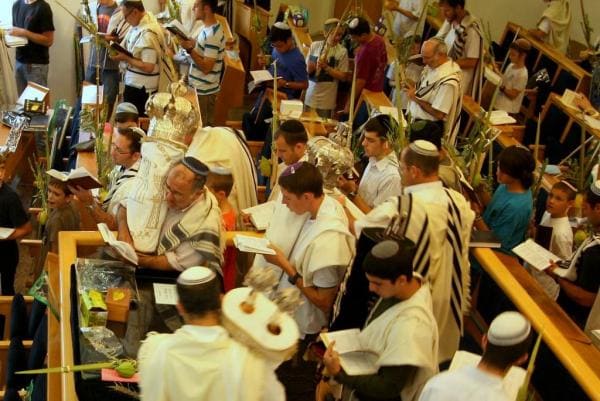
Rituals on this day are unique and deeply symbolic, distinguishing it from the rest of the holiday. Worshipers circle the reading desk seven times—unlike the single circuit performed on previous days—while holding the lulav and etrog. One of the most distinctive Hoshana Rabbah customs involves the ancient rite of the willow. Congregants take bundles of five willow branches and strike them against the ground, a gesture linked to the willow branch ceremony in the Holy Temple. This act symbolizes the shedding of sins and a prayer for abundant water, essential for the coming agricultural year.
Communities around the world observe this day with a blend of joy and reverence. Many engage in an all-night study session known as Tikkun Leil Hoshana Rabbah, reciting Deuteronomy and the Book of Psalms to demonstrate their devotion. The atmosphere is one of serious introspection, distinct from the pure celebration of the rest of Sukkot. As the sun sets, the focus shifts from judgment to the rejoicing of Shemini Atzeret, concluding the intense spiritual journey of the month of Tishrei.