
Celebrating the Presentation of Jesus and Candlemas Traditions
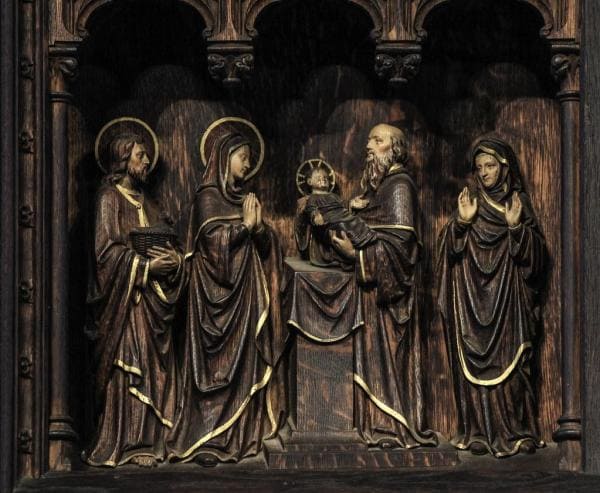
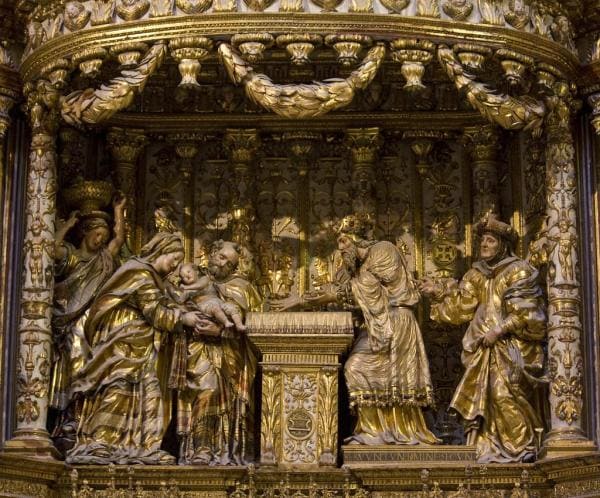
The Presentation of the Lord, widely known as Candlemas, is a significant Christian feast commemorating the day Mary and Joseph brought the infant Jesus to the Temple in Jerusalem forty days after his birth. This annual observance marks both the ritual purification of the Virgin Mary according to Mosaic law and the profound encounter between the Holy Family and the righteous Simeon and Anna. It is a pivotal moment in the liturgical calendar, serving as the definitive conclusion to the Christmas season and pointing toward the coming Paschal mystery.
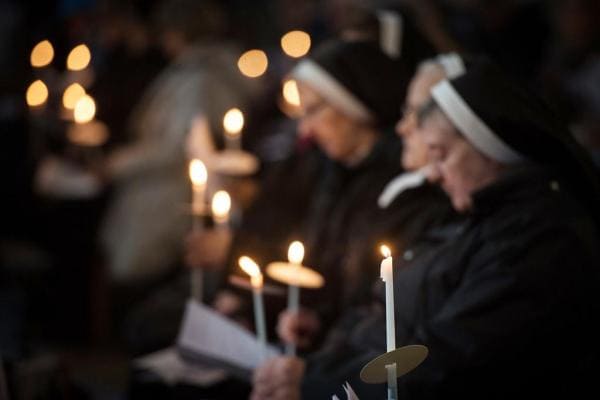
The day is most famously characterized by distinct Candlemas traditions involving the blessing of beeswax candles, a ritual rooted in Simeon’s proclamation of the child as a “light for revelation to the Gentiles.” In many churches, clergy bless the candles that will be used throughout the coming year, and the faithful often participate in solemn processions holding lit tapers. This visual imagery of light piercing the darkness underscores the feast’s central theme of illumination and hope, bridging the joy of the Nativity with the anticipation of Easter.
Historically, the Feast of Purification has been celebrated since the fourth century, with its origins tracing back to ancient liturgies in Jerusalem. For modern believers, the Presentation of Jesus remains a day to reflect on obedience, humility, and the meeting of the Old and New Testaments. While specific cultural customs vary—from removing the last of the Christmas greenery in England to eating crêpes in France—the spiritual focus remains on the revelation of Christ as the light of the world, celebrated by Catholics, Orthodox, and Anglicans alike.