

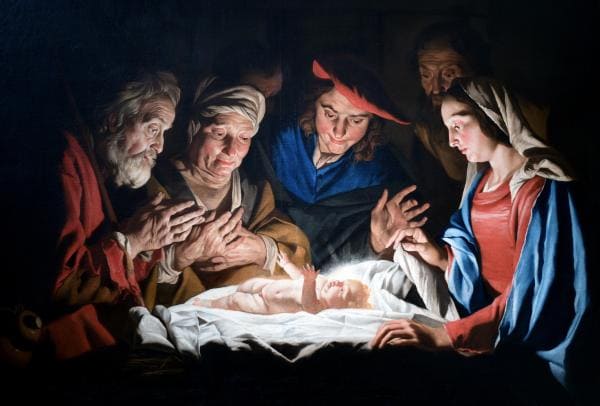

Annual Christmas Traditions: A Celebration of Faith and Light
Christmas is an annual religious and cultural festival commemorating the birth of Jesus Christ, observed primarily on December 25th as a central feast in the Christian liturgical calendar. The day honors the Nativity, a pivotal event in Christian theology, though the specific date was formalized centuries later to coincide with existing winter solstice observances. While Western traditions mark the occasion in late December, many Orthodox communities celebrate in January following the Julian calendar, creating a prolonged season of observance that spans weeks across the globe.
The yearly holiday celebrations are distinguished by a rich accumulation of customs that vary significantly by region and denomination. Essential elements often include the decoration of evergreen trees, the display of crèches depicting the holy family, and the illumination of homes to counter the winter darkness. Gift-giving is a universal practice, symbolizing the gold, frankincense, and myrrh offered by the Magi, while figures like Saint Nicholas or Santa Claus embody the spirit of generosity. Culinary traditions also play a vital role, with specific feasts and baked goods defining the domestic atmosphere of the holiday.
Beyond the specific Christmas annual events found in local calendars, the essence of the day is rooted in themes of peace, charity, and goodwill toward others. It serves as a major focal point for family reunions and community cohesion, often bridging the gap between religious devotion and secular joy. The values emphasized during this period—compassion for the needy and the celebration of new life—reflect the core messages of the faith while resonating with broader cultural desires for light and hope during the turning of the year.