

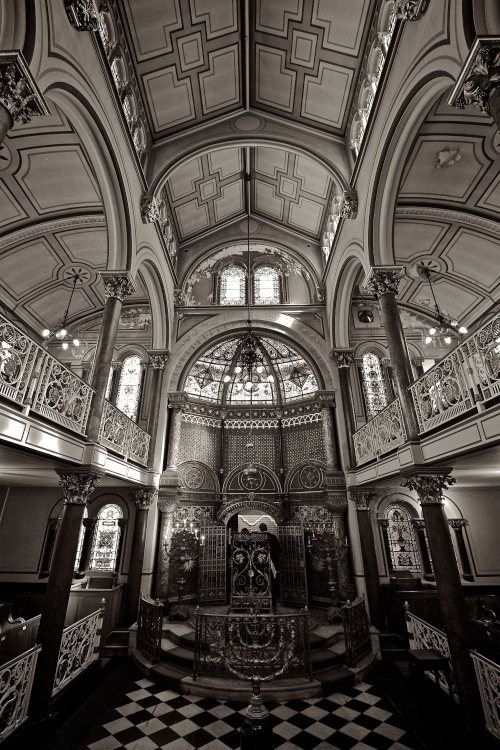
Yom Kippur: A Day of Fasting, Prayer, and Forgiveness
Yom Kippur is the holiest day of the year, celebrated by Jews all over the world after Rosh Hashanah as part of the High Holy Days. The holiday is marked by fasting for nearly 26 hours and avoiding lotions, creams, leather footwear, and marital relations. The day is spent praying for forgiveness together at synagogue. Yom Kippur came to be celebrated centuries ago, when the people of Israel left Egypt and sinned by worshipping a golden calf. The story goes: Moses ascended Mount Sinai and prayed for forgiveness. After 40 days and nights, he received God’s forgiveness and he came down the mountain, marking the beginnings of Yom Kippur – the Day of Atonement.
The day is marked by five prayer services: Kol Nidre happens the night before, Shacharit is the morning service with Musaf shortly following afterwards, Mincha is in the afternoon, and lastly, Ne’ilah is the closing service that is held just before sunset. Prayer focuses on confession and repentance, and fasting symbolizes stepping back from physical needs to focus on spiritual life. Many Jews wear white during Yom Kippur to further honor the principles of purity and humility. Yom Kippur can be celebrated a bit differently across Jewish communities, with Orthodox observing every tradition in full while reform or liberal Jews taking a custom approach. In Israel, everything shuts down for Yom Kippur.
Generally, the themes of the day center on renewal and repentance. Yom Kippur reflects many of the principles of Jewish life: introspection, accountability, and community. Teshuvah, an important concept in Judaism, is central to this holiday. It literally means “return,” as in, a return to your best self and your relationship with God. This belief lies at the heart of what Yom Kippur is.