


Exploring the Capernaum Archaeological Site on the Sea of Galilee
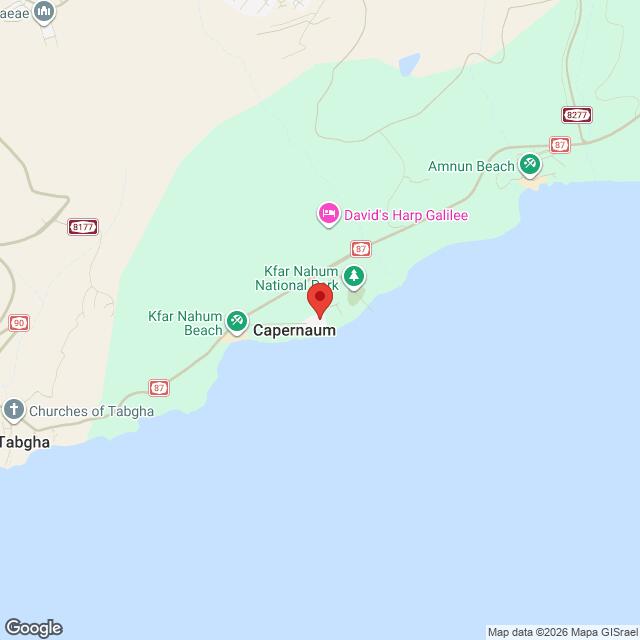
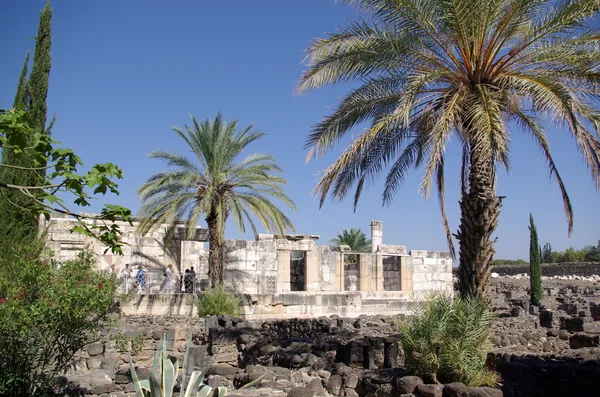
Capernaum is an excavated ancient fishing village on the northwestern shore of the Sea of Galilee, traditionally known as the center of Jesus’ Galilean ministry. As you walk through the Capernaum archaeological site, you step into a Roman-era settlement that flourished from its Hasmonean origins. The Gospel of Matthew notes that Jesus “went and lived in Capernaum,” and the excavated ruins reveal the modest black basalt-stone houses that characterized this lakeside community.
As you continue through the village, you will reach the traditional dwelling of the Apostle Peter. The House of Peter in Capernaum is a 1st-century basalt structure where early Christians gathered, leaving behind more than a hundred graffiti inscriptions scratched into the walls in Greek, Aramaic, Syriac, and Latin. Today, a modern Franciscan memorial church is suspended on pillars above the site. You can look directly down through its central glass floor to view the archaeological remains of the original home and the 5th-century octagonal church later built to accommodate early pilgrims.
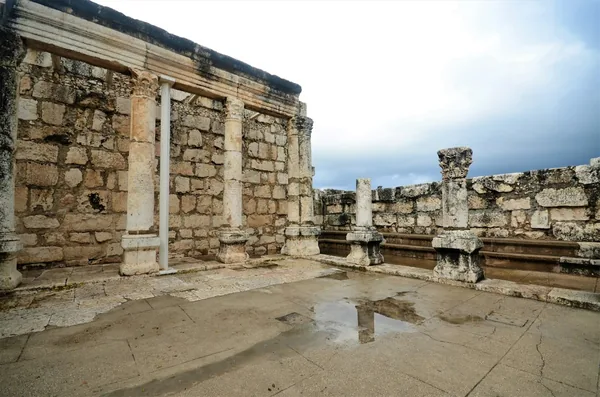
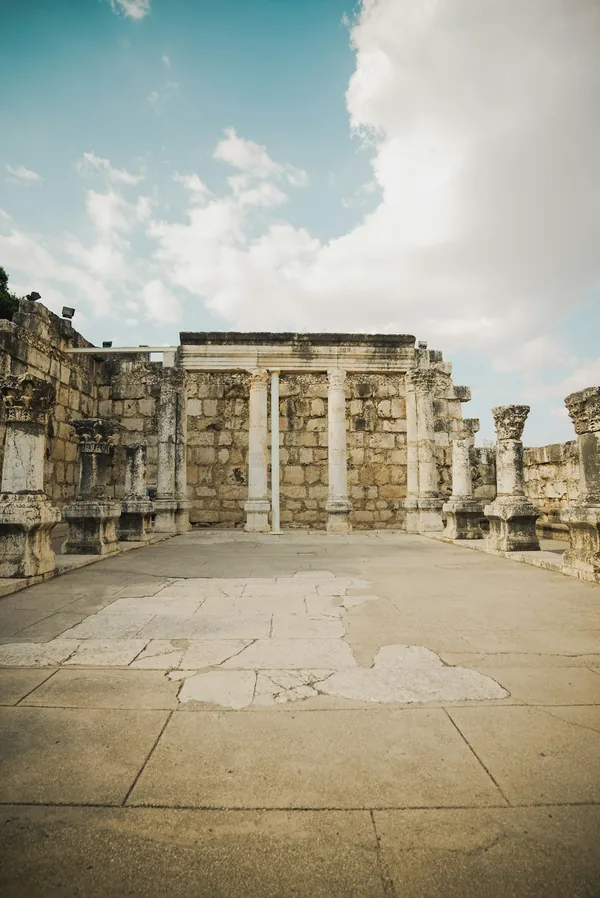
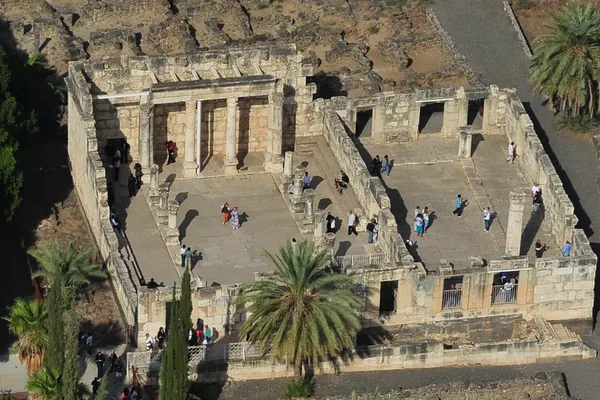
Further along, the dark volcanic stone of the village gives way to the bright ruins of the Kfar Nahum ancient synagogue. The surviving 4th- or 5th-century white limestone structure stands above black basalt foundations associated with an earlier synagogue. Christian pilgrims come here to reflect on Gospel accounts of Jesus teaching in Capernaum’s synagogue and performing miracles throughout the village.
A visit to these shores offers a tangible connection to Jesus’s Galilean ministry. Walking among the houses, synagogue remains, and traditional site of Peter’s home brings the Gospel setting into clearer view, offering a place to reflect on the teachings and miracles that made Capernaum central to the story of Jesus’s ministry.