
Exploring the Cultural Sites and Attractions of Eilat
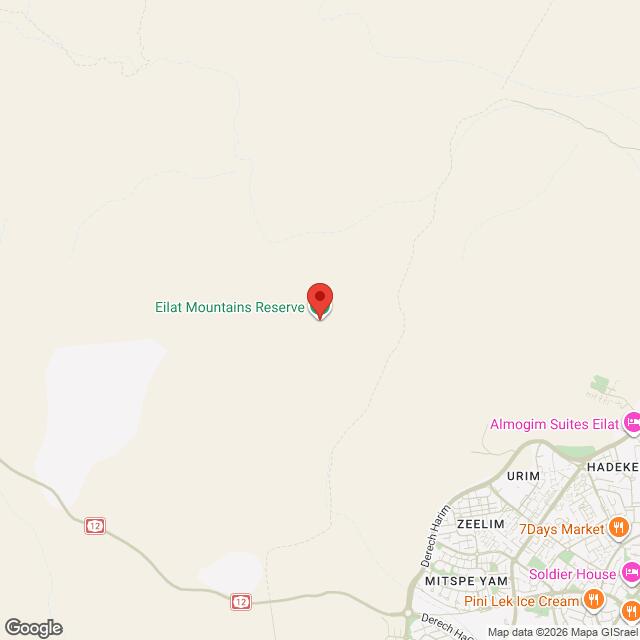
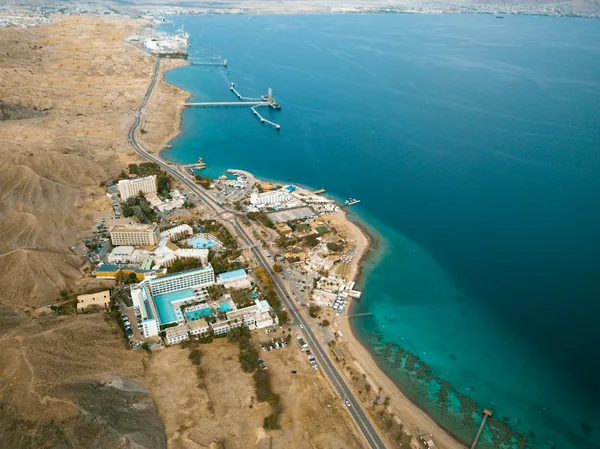
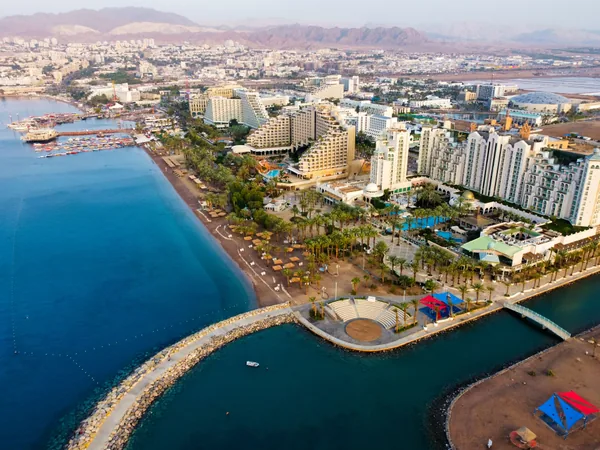
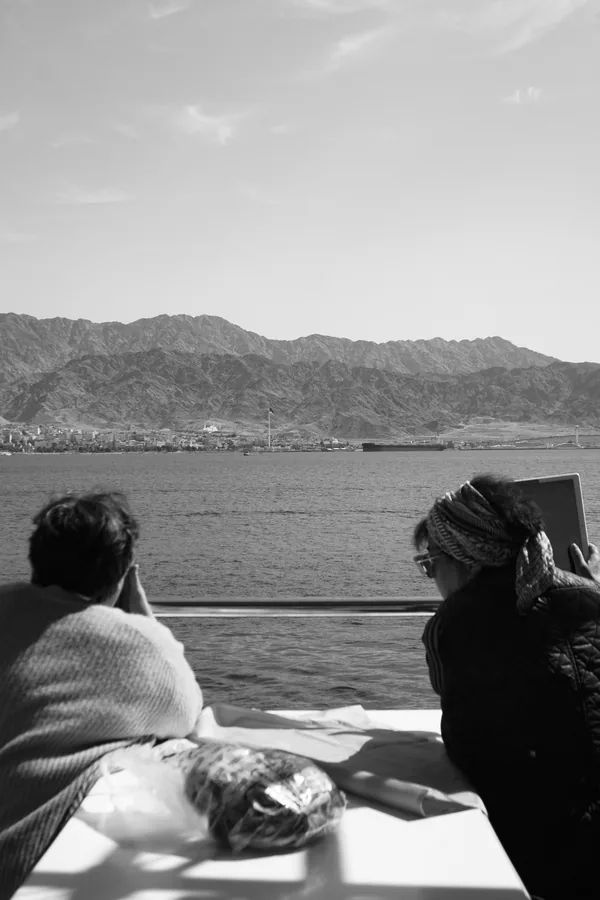
Eilat is Israel’s southernmost city, positioned at the northern tip of the Red Sea where the arid expanse of the Arava Valley meets the waters of the Gulf of Aqaba. Functioning as a geographic crossroads connecting the Middle East with the Indian Ocean, the city offers a stark physical contrast between the rugged Edom Mountains and the marine environment.
As you walk along the beachfront promenade, you will find monuments detailing the city’s modern origins, including its capture during the 1948 War of Independence marked by the raising of the makeshift Ink Flag. Beyond its modern development as a major port, the area preserves a deep heritage. According to tradition, this region is associated with the biblical port of Ezion-Geber, and nearby archaeological sites reveal ancient Egyptian copper mining operations.
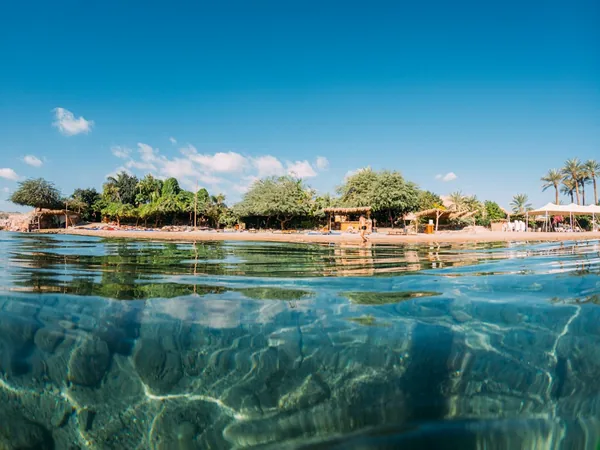
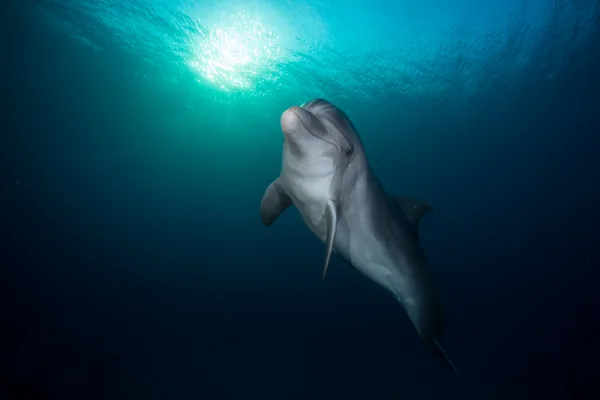
Moving toward the coast, you can observe the natural coral reefs protected within the Coral Beach Nature Reserve. The marine environment is a focal point of the area, offering a close look at the aquatic life of the Red Sea. Back in the city center, public spaces like the Musical Fountain and venues hosting events such as the annual Red Sea Jazz Festival highlight the contemporary civic culture found among Eilat cultural sites.
Heading inland into the adjacent desert, you can explore Timna Park. Here, the landscape is defined by striking geological sandstone formations, ancient rock engravings, and historical copper furnaces. Walking through this arid terrain, you will encounter the preserved heritage of ancient desert trade routes and historical Bedouin culture that have shaped this southern edge of the Negev Desert.